

Fluid-Applied Roofing Systems Gain Attention for Seamless Protection in Commercial and Industrial Applications
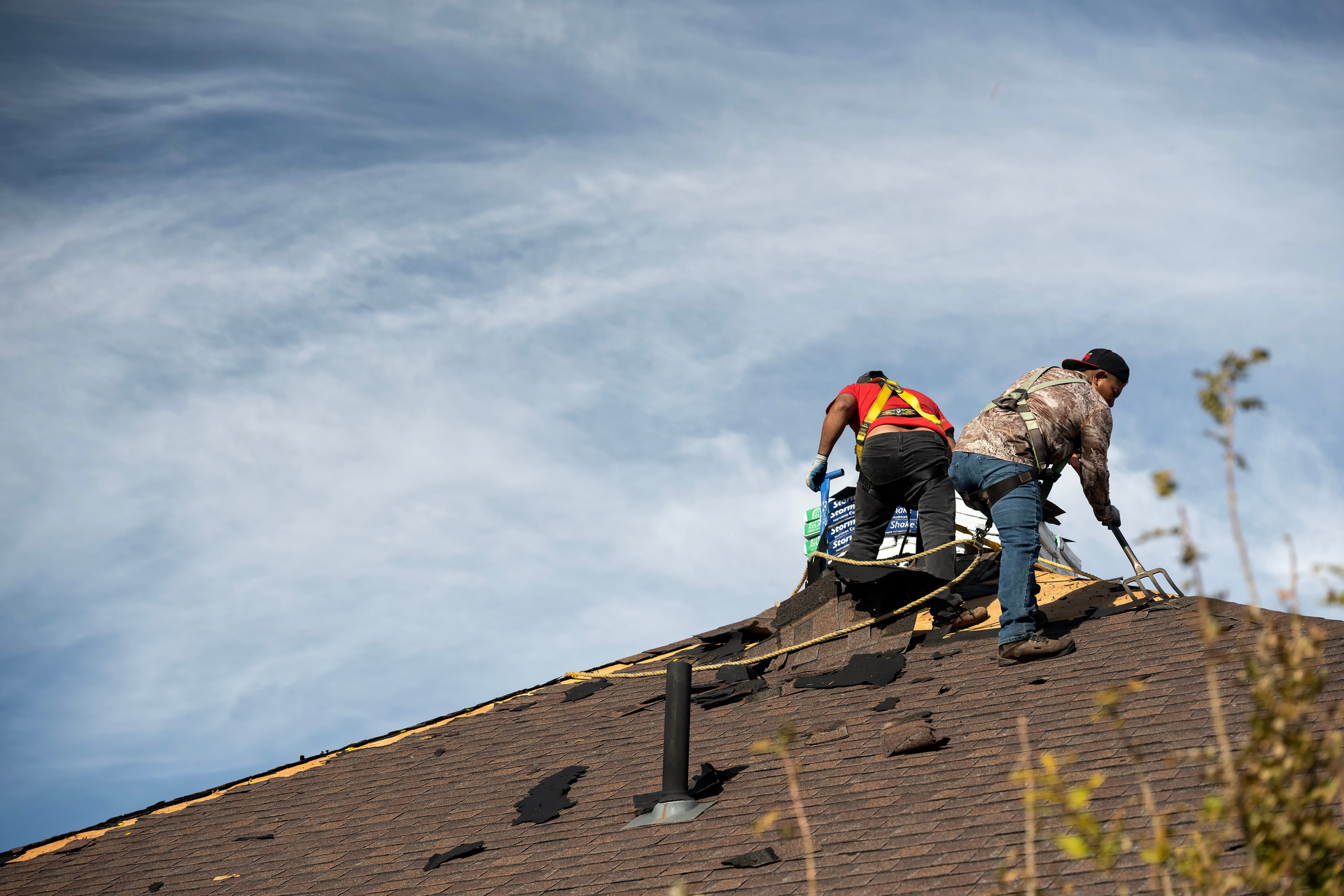

Fluid-applied systems change how protection is approached. Instead of relying on multiple pieces joined together, the system forms a single layer across the surface. ”
WISCONSIN RAPIDS, WI, UNITED STATES, April 16, 2026 /EINPresswire.com/ -- — Thad Brown
Fluid-applied roofing systems have become an increasingly discussed topic within the roofing industry, particularly in relation to waterproofing performance and long-term surface protection. These systems rely on liquid coatings that are applied directly to a roof surface, forming a continuous membrane once cured. Unlike traditional roofing materials that depend on seams, fasteners, or overlapping layers, fluid-applied systems create a uniform barrier designed to reduce common points of failure.
The structure of a fluid-applied roofing system begins with surface preparation. Existing substrates, which may include metal, concrete, modified bitumen, or single-ply membranes, are cleaned and evaluated for integrity. Any damaged areas are repaired prior to application. This preparation stage is critical, as the performance of the coating depends on proper adhesion to the underlying surface.
Once the substrate is prepared, the liquid coating is applied using rollers, brushes, or spray equipment. The material spreads across the surface and conforms to the existing shape of the roof. As the coating cures, it forms a seamless membrane that covers penetrations, edges, and transitions. This ability to adapt to irregular surfaces distinguishes fluid-applied systems from traditional roofing assemblies that require cutting and fitting materials around obstacles.
Seams are a common vulnerability in many roofing systems. Over time, expansion, contraction, and environmental exposure can cause seams to separate or degrade. Fluid-applied coatings eliminate this concern by creating a single, continuous layer. Without joints or overlaps, the potential for water intrusion at connection points is reduced.
Flexibility is another defining characteristic of fluid-applied roofing systems. The cured membrane is designed to expand and contract with temperature changes, allowing it to accommodate movement in the building structure. This flexibility can help maintain the integrity of the waterproofing layer in climates that experience significant seasonal variation.
Weather resistance is a key factor in the performance of these systems. Fluid-applied coatings are formulated to withstand ultraviolet exposure, precipitation, and temperature fluctuations. In regions with freeze-thaw cycles, the ability of the membrane to remain intact under changing conditions is particularly important. The seamless nature of the system also reduces the likelihood of water pooling beneath the surface, which can contribute to long-term damage.
Application versatility allows fluid-applied systems to be used across a wide range of building types. Commercial facilities, industrial structures, and institutional buildings can all benefit from the adaptability of these coatings. The ability to apply the system over existing roofing materials also makes it a consideration in restoration projects, where removing the existing roof may not be practical.
Energy performance is another aspect associated with fluid-applied roofing systems. Many coatings are designed with reflective properties that reduce heat absorption. By reflecting a portion of solar radiation, the roof surface may experience lower temperatures, which can influence interior conditions and reduce strain on cooling systems.
Maintenance considerations also differ from traditional roofing systems. The continuous membrane simplifies inspection, as there are fewer components to evaluate individually. When maintenance is required, additional coating can often be applied to specific areas without disturbing the entire system. This approach allows for targeted repairs while maintaining the overall integrity of the roof.
Drainage remains an important factor, even with a seamless system. Proper slope and water management must still be addressed during design and preparation. While the coating provides a protective barrier, standing water can still place stress on the structure if not properly managed.
Thad Brown, owner and founder of Dynamic Alliance Roofing LLC in Wisconsin Rapids, Wisconsin, has observed the development of fluid-applied systems over several decades in the roofing industry. “Fluid-applied systems change how protection is approached. Instead of relying on multiple pieces joined together, the system forms a single layer across the surface. After more than 40 years in roofing, it is clear that reducing seams changes how roofs perform over time. The application process also allows coverage around areas that are often difficult to seal with traditional materials.”
Installation conditions can influence the outcome of a fluid-applied roofing system. Temperature, humidity, and surface moisture levels are monitored to ensure proper curing. Manufacturers provide guidelines for application, and adherence to these specifications supports the performance of the finished membrane.
As building design continues to evolve, roofing systems are adapting to meet changing requirements. Fluid-applied technologies represent one approach to addressing concerns related to waterproofing, maintenance, and structural movement. Their ability to create a seamless protective layer has contributed to ongoing discussion within the industry.
The role of roofing extends beyond simple coverage. It involves managing environmental exposure, supporting structural performance, and maintaining interior conditions. Fluid-applied systems illustrate how material innovation can influence these functions by shifting focus toward continuous protection rather than segmented assembly.
Ongoing research and development continue to refine these systems, with advancements in material composition and application techniques. As these developments progress, fluid-applied roofing systems remain part of the broader conversation surrounding modern roofing solutions and long-term building performance.
Morgan Thomas
Rhino Digital, LLC
+1 504-875-5036
email us here
Visit us on social media:
Facebook
Legal Disclaimer:
EIN Presswire provides this news content "as is" without warranty of any kind. We do not accept any responsibility or liability for the accuracy, content, images, videos, licenses, completeness, legality, or reliability of the information contained in this article. If you have any complaints or copyright issues related to this article, kindly contact the author above.
