

Take Simple Steps to Stay Safe During Summer Heat
Published on: August 5, 2026
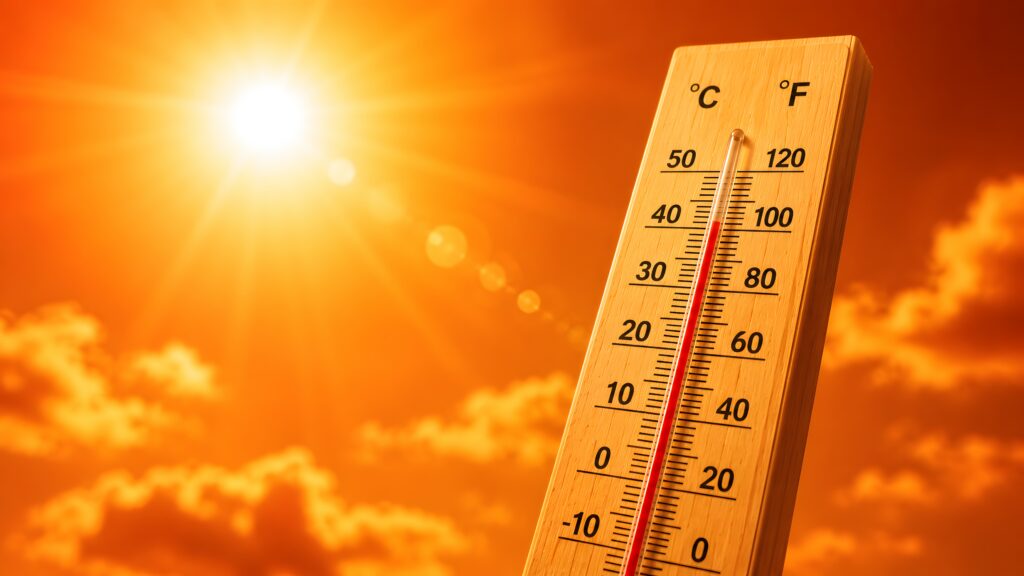
Extreme heat can be dangerous, but a few simple precautions can help protect you, your family, and your pets. Whether you’re spending time outdoors, staying active, or caring for loved ones, preparing ahead can reduce the risk of heat-related illness.
Protect Yourself from Extreme Heat
Knowing how to stay cool is the first step toward preventing heat-related illness.
- Learn the signs of heat exhaustion and heat stroke and know how to respond.
- Fans alone may not be enough during periods of high heat and humidity. Spend time in an air-conditioned building such as a library, museum, shopping center, or other public space if your home becomes too hot.
- Never leave children or pets alone in a parked vehicle. The temperature inside a car can increase by as much as 20 degrees in just 10 minutes.
- Check on family members, friends, and neighbors, especially older adults or those who live alone without air conditioning.
- Close curtains or blinds during the hottest part of the day. Nearly 40% of unwanted heat entering a home comes through windows.
- Limit use of ovens and other heat-producing appliances during extreme heat events to help keep your home cooler.
Extra Precautions for Older Adults
Older adults are more vulnerable to heat-related illness and dehydration.
During periods of extreme heat:
- Avoid staying home alone during prolonged power outages or heat emergencies.
- Make sure a trusted friend or family member has access to your home and knows where emergency supplies and medications are located.
- Drink fluids regularly to stay hydrated. Talk with your healthcare provider about whether electrolyte-containing beverages are appropriate for you.
- Limit time outdoors, take frequent breaks in cool spaces, and avoid beverages containing caffeine when possible.
Keep Pets Safe in Hot Weather
Our pets can overheat quickly during the summer months. Help keep them safe by following these tips:
Provide Plenty of Water and Shade
- Keep fresh, clean water available at all times.
- Make sure pets have access to shade.
- Limit exercise during the hottest parts of the day.
- Keep pets indoors whenever temperatures become extreme.
Know the Signs of Heat Stress
Watch for:
- Excessive panting
- Difficulty breathing
- Increased heart or respiratory rate
- Drooling
- Weakness or collapse
- Vomiting or diarrhea
- Body temperature above 104°F
These may be signs of heat stroke and require immediate veterinary attention.
Never Leave Pets in Vehicles
Even with windows cracked, parked vehicles can become dangerously hot within minutes. Leaving pets in hot vehicles can be fatal and is illegal in several states.
Take Extra Care with High-Risk Pets
Flat-faced breeds such as Pugs and Persian cats, along with older, overweight, or medically fragile pets, are especially susceptible to heat-related illness and should remain in cool, air-conditioned spaces whenever possible.
Stay Safe Around Water
If visiting a pool, lake, or beach:
- Never leave pets unattended around water.
- Provide fresh drinking water instead of allowing pets to drink from lakes, ponds, or pools.
- Introduce pets to swimming gradually.
- Use flotation devices when boating.
- Rinse chlorine or saltwater from your pet’s coat after swimming.
Know the Difference: Heat Exhaustion vs. Heat Stroke
Recognizing symptoms early can save lives.
Heat Exhaustion
Common symptoms include:
- Heavy sweating
- Dizziness
- Weakness
- Thirst
- Nausea
If someone is experiencing heat exhaustion:
- Move them to a cooler area.
- Loosen tight clothing.
- Give cool water to sip.
- Seek medical attention if symptoms do not improve.
Heat Stroke — Call 911 Immediately
Heat stroke is a medical emergency.
Symptoms may include:
- Confusion
- Dizziness
- Loss of consciousness
While waiting for emergency responders:
- Move the person to a cooler location.
- Remove excess clothing.
- Cool the body using water, ice packs, or cool cloths.
Kids Corner
Help children learn healthy summer habits by talking about:
- Wearing sunscreen
- Wearing a hat and sunglasses
- Drinking plenty of water
- Finding shade
- Wearing lightweight clothing
Making sun safety part of everyday summer fun helps children develop healthy habits that last a lifetime.
Legal Disclaimer:
EIN Presswire provides this news content "as is" without warranty of any kind. We do not accept any responsibility or liability for the accuracy, content, images, videos, licenses, completeness, legality, or reliability of the information contained in this article. If you have any complaints or copyright issues related to this article, kindly contact the author above.
